Leadwork Roofing Service in Norwich and Norfolk
Traditionally, quality roofing leadwork skills are hard to come by. Here at DH Roofing Contractors, Norfolk, we're pleased to offer a professional and bespoke leadwork service on all of our roofing projects.
Our roofing leadwork
-
Lead flashings
Flashings where a roof meets a wall or a chimney, repaired or renewed.
-
Lead valleys
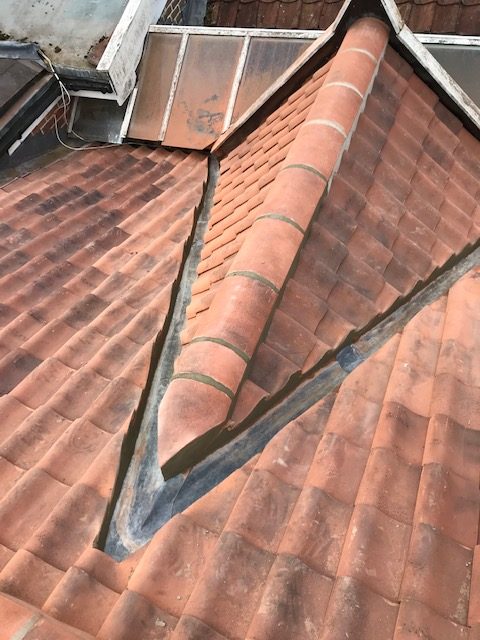
Valleys between two roof slopes lined in lead to carry the water away.
-
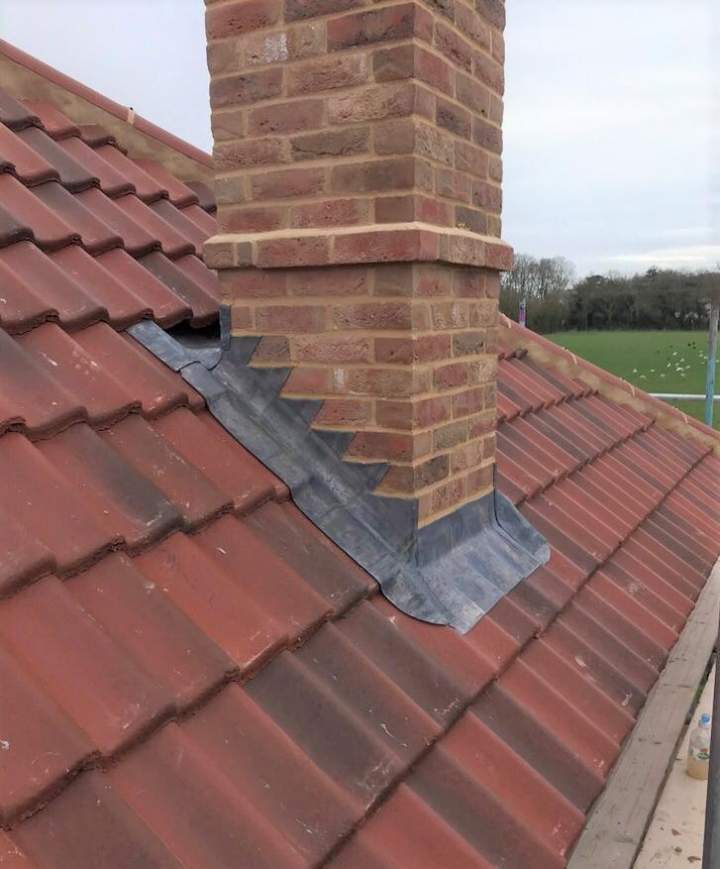
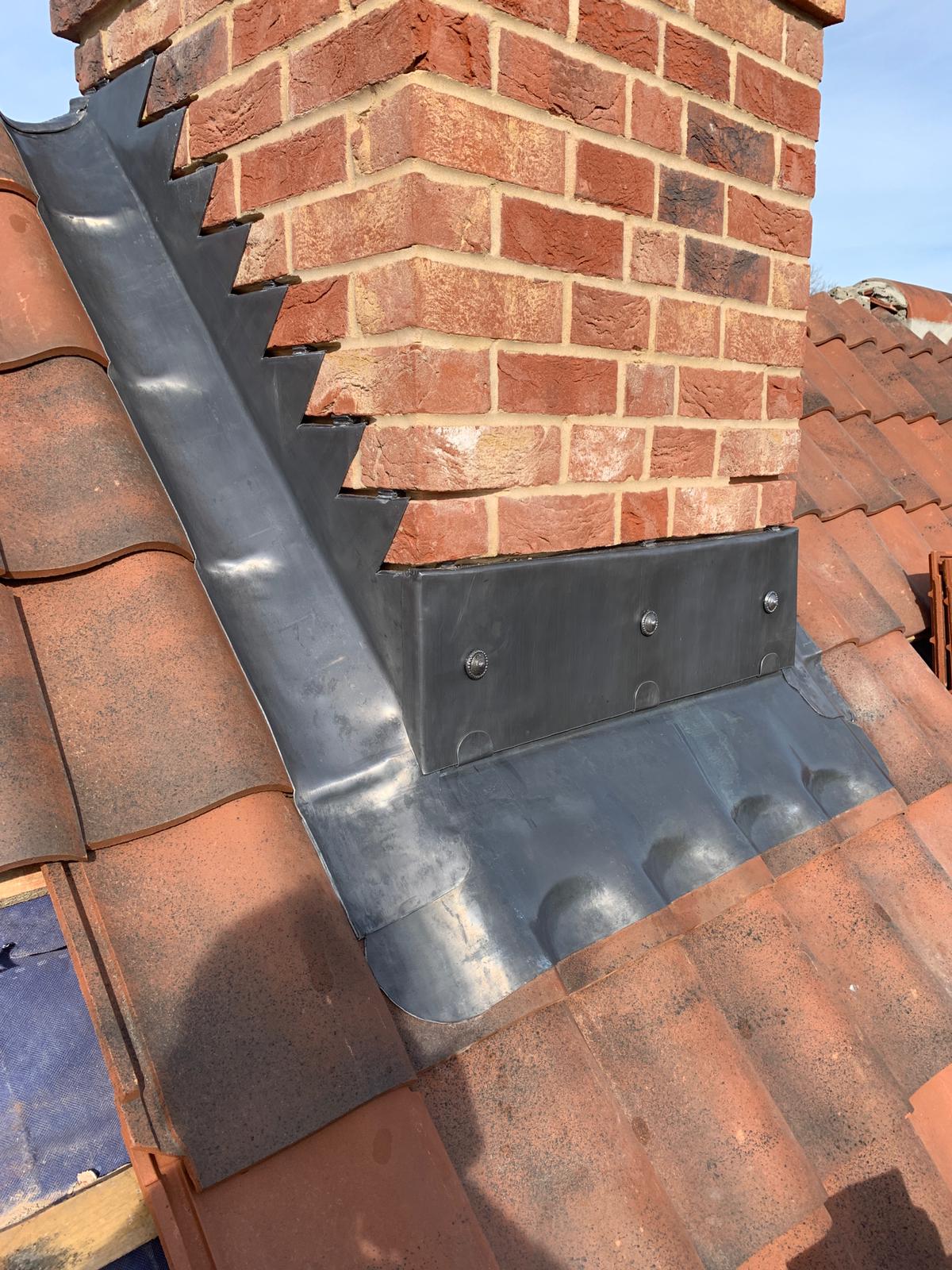
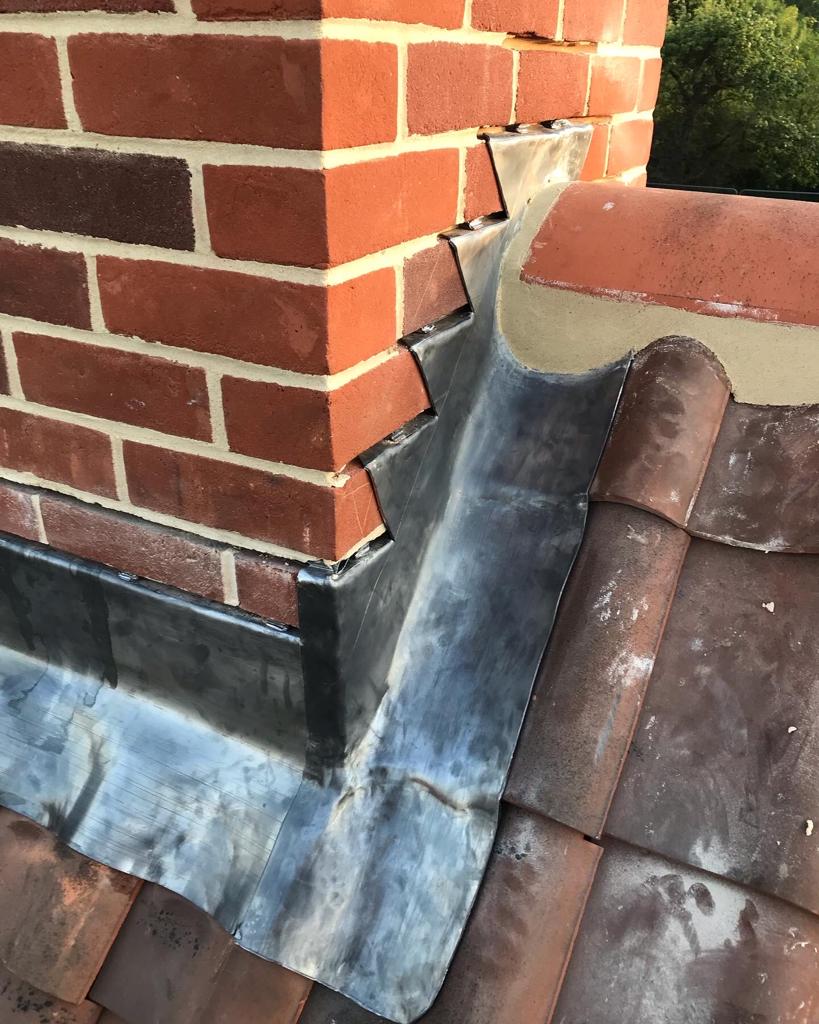
Chimney leadwork
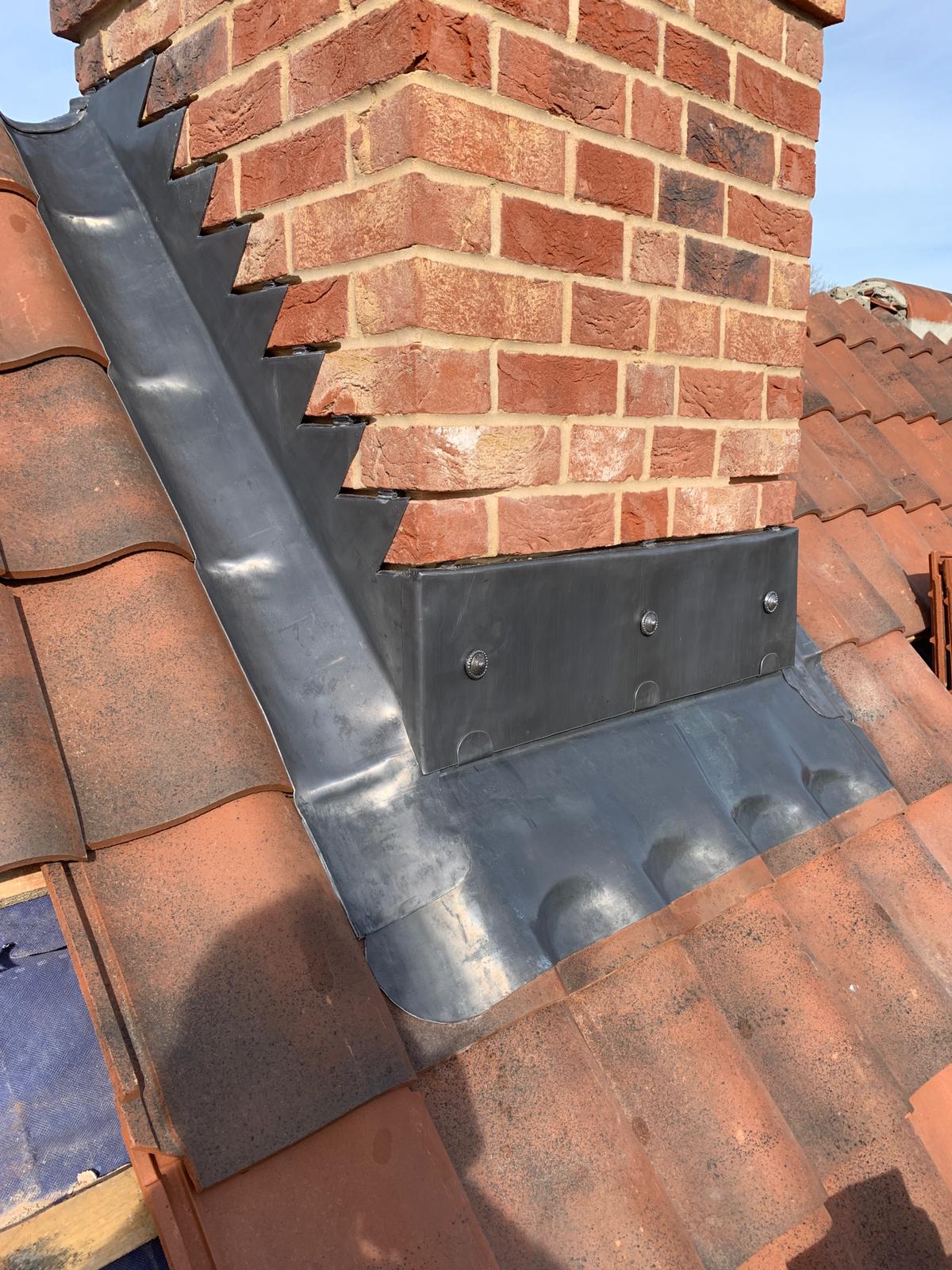
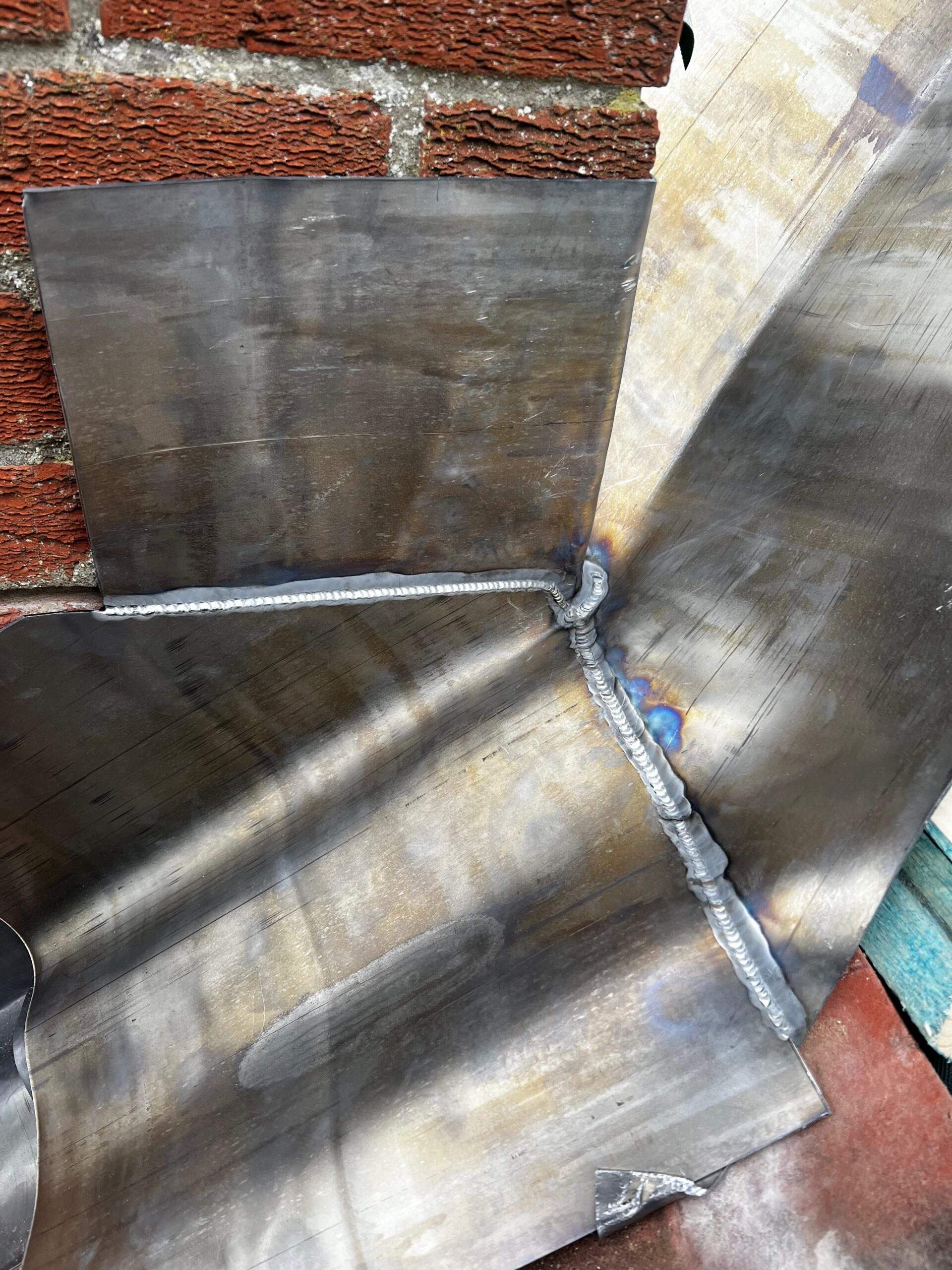
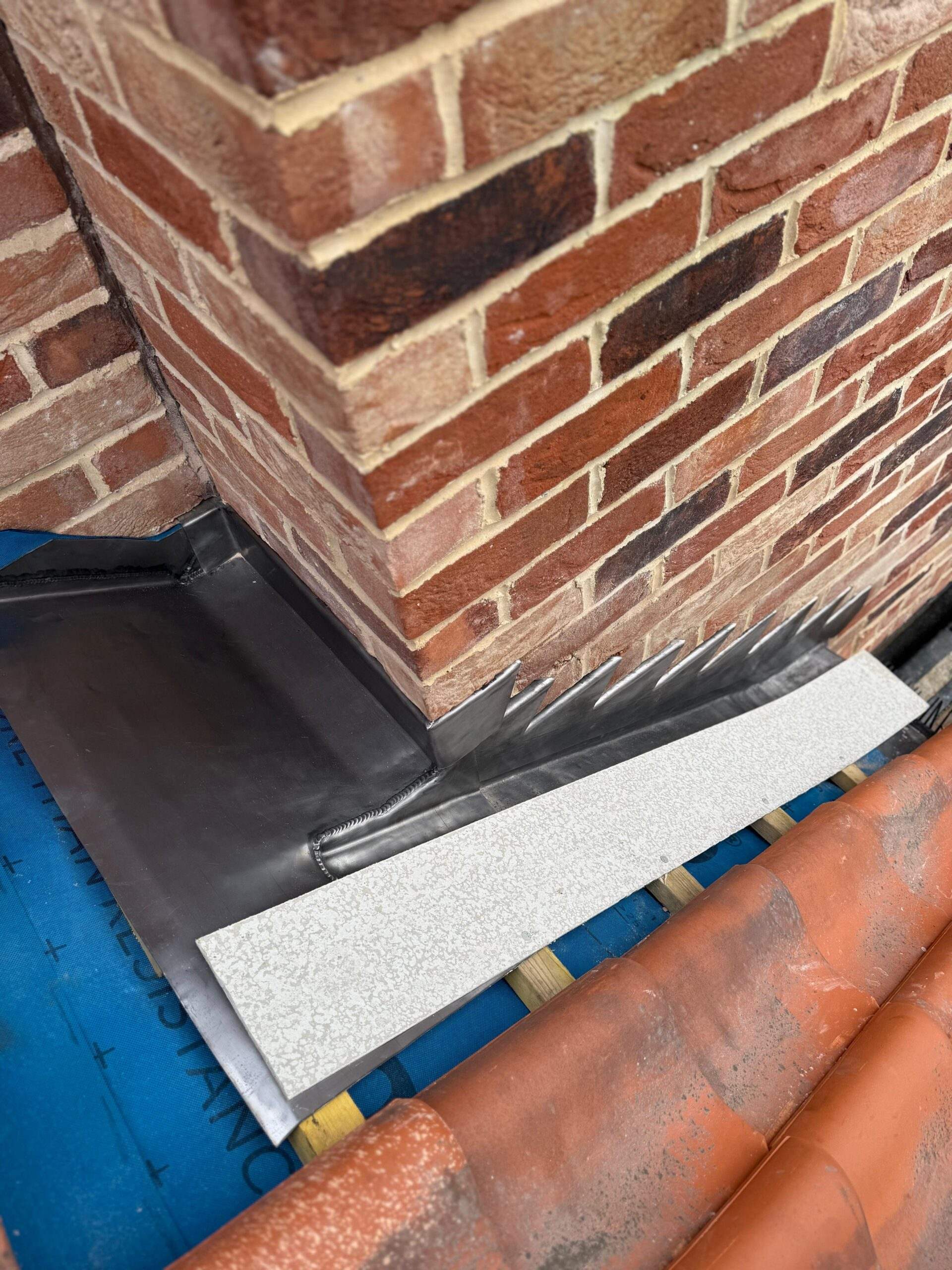
Aprons, back gutters and stepped flashings around chimney stacks.
-
New leadwork
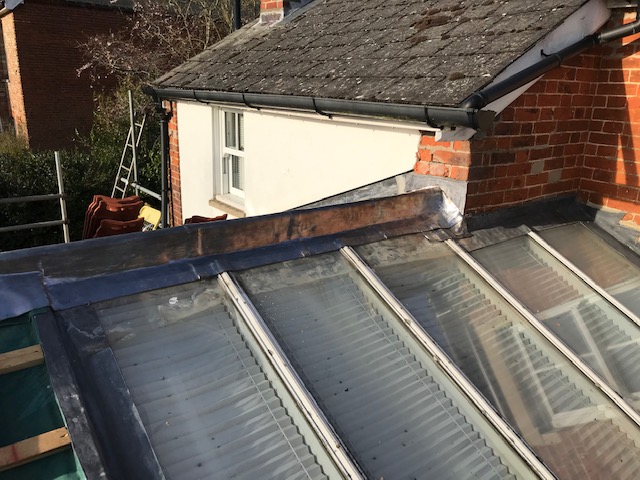
Leadwork installed from scratch on extensions, dormers and conservatory roofs.
-
Rolled lead to BS12588
We use rolled lead to BS12588 British standards on every leadwork job.
The strength, quality and style of leadwork means it's the perfect option for creating a long term, weather resistant barrier for your roof. When looking for roofing leadwork services, there's a variety of options available, such as repairing damaged lead flashings or installing leadwork from scratch.
Let DH Roofing Contractors in Norwich and Norfolk complete the leadwork on your roofing project. Get in touch today for a free, no-obligation quotation.
A guide to roofing leadwork
Where lead is used on a roof
Lead is used wherever a roof meets something that is not roof: flashings where a slope meets a wall, aprons and back gutters around chimneys, valleys between two slopes, and coverings on bay windows, dormers and small flat roofs. These junctions are where water most often finds its way in, which is why the leadwork matters as much as the tiles.
Rolled lead and BS12588
Rolled lead sheet for building is made to the standard BS EN 12588, which sets its thickness and quality. Lead sheet comes in codes, from code 3 to code 8, with the higher codes thicker and used where more strength is needed. We use rolled lead to BS12588 British standards on every leadwork job.
How leadwork is fitted
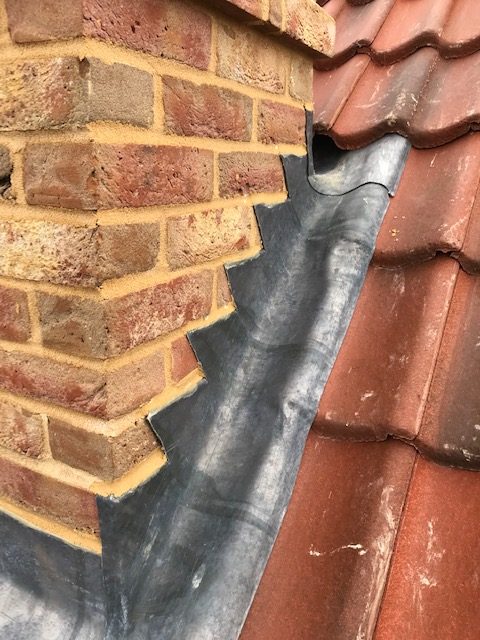
Lead is dressed by hand to the shape of the roof, fixed with clips and laid in lengths short enough to allow it to expand and contract. Flashings are tucked into a cut in the brickwork and pointed in, and stepped flashings follow each course of brick up a wall or a chimney. Done properly, it needs no mastic or sealant.
Repair or renew?
Lead that has lifted can sometimes be dressed back and refixed, and loose pointing renewed. Lead that has split, cracked or worn thin is better replaced, along with any section laid in lengths too long for it to move without splitting. An old repair made with tape or sealant usually hides a fault that will come back.
Leadwork on new roofs and extensions
On a new roof, an extension, a dormer or a conservatory, the leadwork is installed from scratch: flashings where the new roof meets the existing wall, valleys where two roofs join and coverings on any small flat areas. The strength, quality and style of leadwork makes it the perfect option for creating a long term, weather resistant barrier for your roof.
Lead codes and where they are used
Lead sheet is graded by code, and each code carries a colour mark on the roll so it can be identified on site.
| Code | Colour mark | Typical uses |
|---|---|---|
| Code 3 | Green | Soakers |
| Code 4 | Blue | Soakers, flashings and aprons |
| Code 5 | Red | Flashings, valleys and gutters |
| Code 6 | Black | Valleys, gutters and small flat roofs |
| Code 7 | White | Flat roofs and gutters |
| Code 8 | Orange | Flat roofs and gutters where the heaviest lead is needed |
Soakers and stepped flashings
Where the side of a tiled or slated roof meets a wall or a chimney, small pieces of lead called soakers are laid between each course of slates or plain tiles, turned up against the wall. A stepped flashing then covers them, cut so that each step tucks into a brick joint. With larger interlocking tiles, a single cover flashing is dressed over the tiles instead. Either way, it is the lead and not mortar that keeps the water out.
Lead valleys
A valley is the internal angle where two roof slopes meet. Water from both slopes runs down it, so it carries more water than any other part of the roof. A lead valley is laid on boards in the angle, in lengths that overlap, with the tiles cut to sit over its edges. A valley that is too narrow, laid in lengths that are too long, or with tiles cut badly, will leak.
Patination oil
New lead reacts with rain and forms a white carbonate that can wash down and stain brickwork, tiles and windows. Brushing new lead with patination oil when it is fitted stops this while the lead weathers naturally to its dull grey.
Leadwork on chimneys
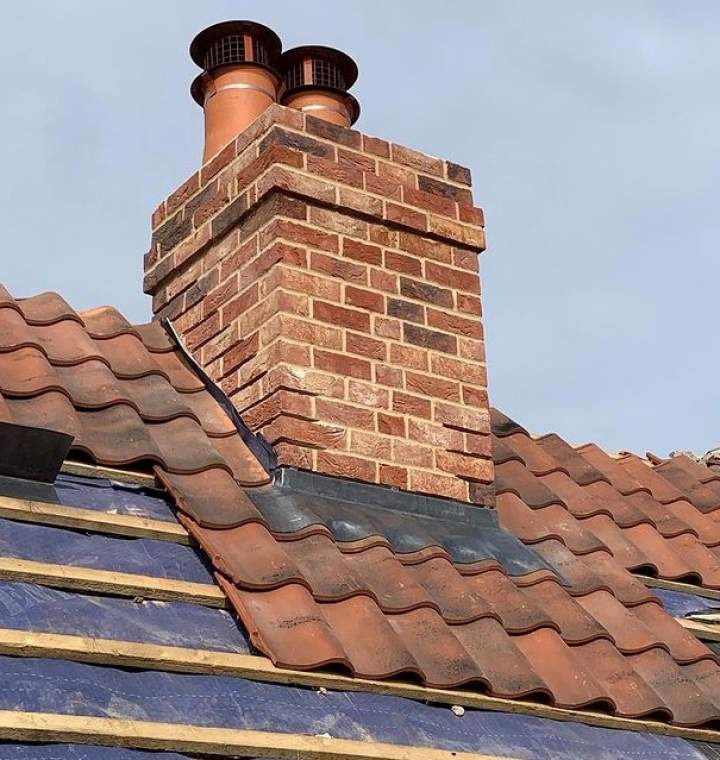
A chimney needs lead on all four sides: an apron at the front, stepped flashings and soakers down each side, and a back gutter behind the stack to carry water round it. Damp on a chimney breast inside the house is very often a leadwork problem rather than a fault in the chimney itself.
How it works
-
Step 1: Get in touch
Call 07464932323, send a WhatsApp or request a free quote online. Photos of the roof sent by WhatsApp help us understand the job before we visit.
-
Step 2: Free, no-obligation quotation
We look at the roof and give you a free, no-obligation quotation, with the guarantee for the work confirmed in writing.
-
Step 3: The work is done properly
All work is carried out to the highest standard, the site is left tidy, and the work is fully guaranteed for your peace of mind.
Questions we are often asked
What leadwork do you carry out?
There's a variety of options available, such as repairing damaged lead flashings or installing leadwork from scratch.
What standard is your leadwork worked to?
We keep up with all the latest regulations and specifications with the use of rolled lead to BS12588 British standards.
Why use lead on a roof?
The strength, quality and style of leadwork makes it the perfect option for creating a long term, weather resistant barrier for your roof. Lead is shaped by hand around chimneys, walls and valleys, which is where water most often finds its way in.
Can damaged lead flashing be repaired rather than replaced?
Often, yes. Lead that has lifted or come loose can sometimes be dressed back and refixed, while split or perished lead is better replaced. We will tell you which applies once we have seen it.
Is sealant a good repair for leaking flashing?
Tape, mastic and sealant can stop a drip for a while, but they break down in the sun and the weather and usually hide the real fault. Lifted or split lead is better dressed back, refixed or replaced.
What thickness of lead do you use?
Lead sheet comes in codes, and the right code depends on where it goes, with thicker lead used for gutters, valleys and flat areas. We use rolled lead to BS12588 British standards.
Is your work guaranteed?
Yes. All work is carried out to the highest standard and fully guaranteed for your peace of mind. How long the guarantee runs depends on the work, and is confirmed in writing with your quotation.
Our Customers Love Our work
DH Roofing Contractors are rated 5.0 from 82 Google reviews by customers across Norwich and Norfolk.
DH Roofing rectified some awful hip and ridge work undertaken by a previous roofing company, despite it being a complex job coupled with the fact it was raining, Dale and the team pushed on and never complained once. Great people to deal with, fantastic, thorough workmanship. Highly recommend
Had a small job renewing the ridge on garage and workshop. Dale organised scaffolders and his team did a splendid job very quickly and professionally. Would not hesitate to recommend D H Roofing Contractors.
Dale took down our chimney and closed the roof off. He and his colleague worked quickly as as quietly as possible. They kept the site as clean as possible and took away the rubble. Excellent job.
Where we work
DH Roofing Contractors are based in Norwich and work throughout Norfolk, including these towns and the villages around them.
Our other roofing services
-
PITCHED ROOFING
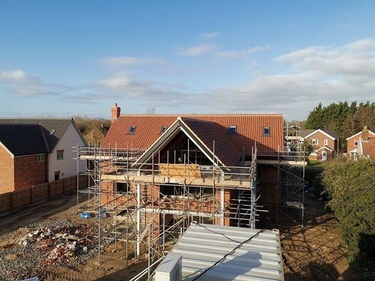
Dh Roofing Contractors deliver all aspects of pitched roofing.
-
SLATING & TILING
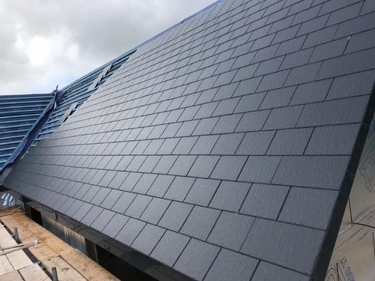
You can rest assured that our specialist team of roofers have you covered.
-
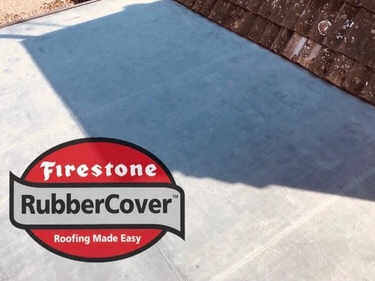
FLAT ROOFING
Looking for an affordable option? Our specialist team of flat roofers can help.
-
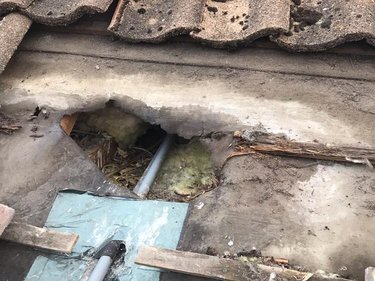
ROOF REPAIRS
Rest assured our highly skilled team will detect and repair any fault or defect found in your roof.
-
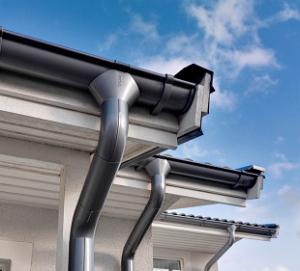
FASCIAS, GUTTERING & SOFFITS
High quality and durable uPVC guttering, fascias and soffits supplied and installed in a range of styles to suit your residential or commercial property.
-
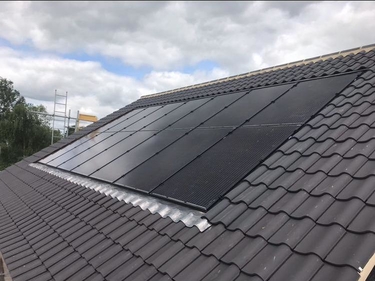
SOLAR PANEL INSTALLATION
We install bespoke rooftop solar panels for your home or business to help reduce your energy bills.
-
CHIMNEY REPAIR
From minor cracks, brick replacement and repointing through to full chimney rebuilds.