
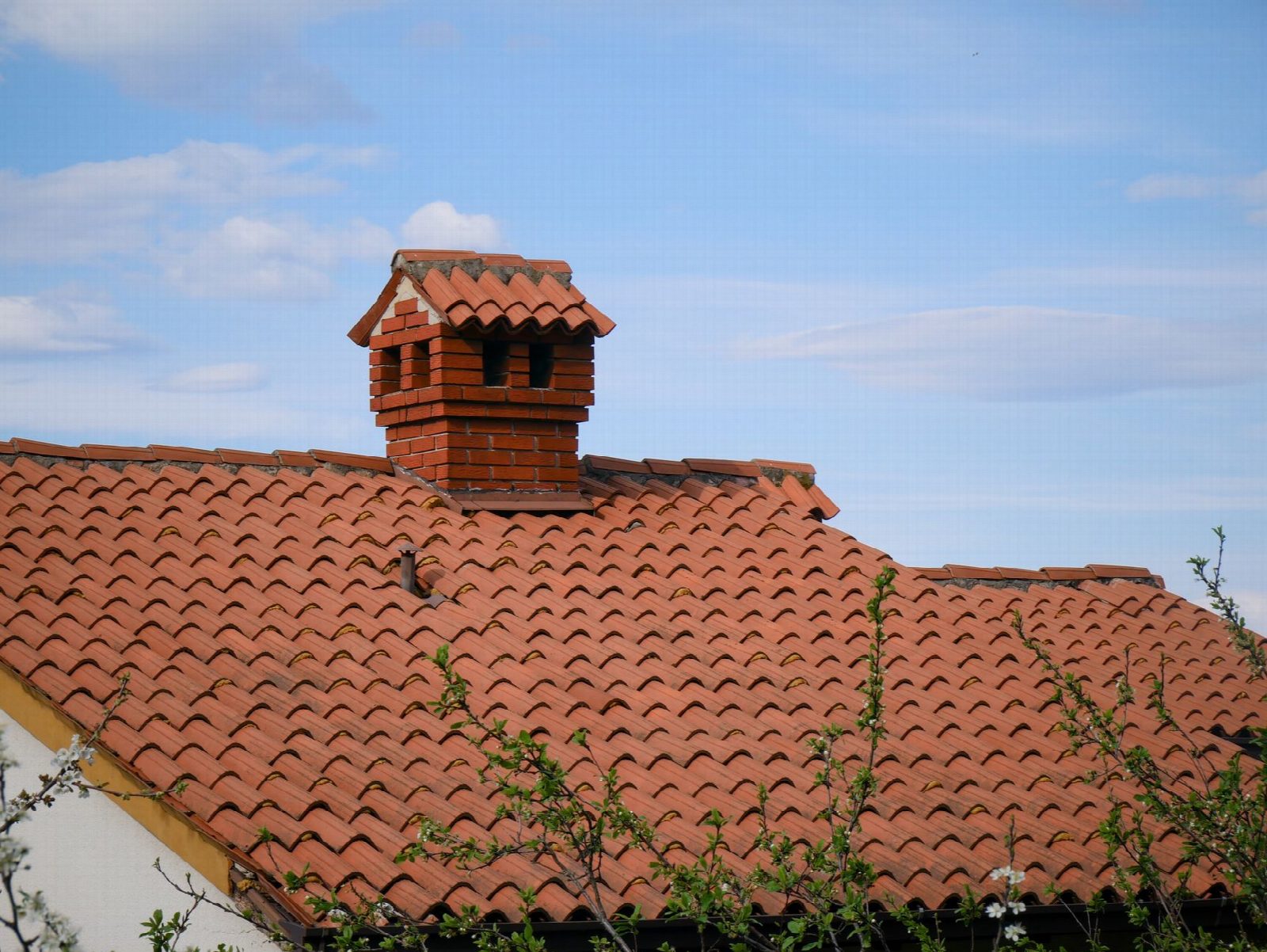
We're DH Roofing, and we carry out roof repairs in Norwich and the surrounding villages.
Most people ring us because something's gone wrong rather than because they fancy a chat about their roof. A stain has appeared on a bedroom ceiling, a tile has landed in the garden after a windy night, or the gutter's overflowing down the brickwork. This page explains how we handle that sort of call, so you know what's coming before you pick up the phone.
Booking roof repairs in Norwich
When you call us on 07464932323, we'll ask a few questions first. Where's the water showing up inside? Is it only when it rains hard, or all the time? Is the house a bungalow, a two-storey terrace, or something taller? Can we get a ladder or scaffold round the side? None of this is us being awkward. It tells us what to bring and roughly how long we'll need, which means we're not turning up with the wrong kit and having to come back.
If water is actively coming in, say so on the call. There's a difference between a slow damp patch and water running down a light fitting, and the second one gets treated differently.
What happens when we arrive
We start inside, not outside, where that's possible. Looking at the loft from underneath often tells you more than looking at the slates from the pavement. Daylight through the boards, wet rafters, dark staining on the felt, a damp patch that sits well away from where the drip lands below — all of it helps narrow things down before anyone climbs anything.
Then we get up there and look properly. Water rarely enters where it appears, so we check the whole area around the suspect spot rather than just the obvious broken tile.
The things we usually find
Most Norwich roof repairs come down to a handful of causes:
- Slipped or cracked tiles and slates. Nail fatigue is common on older roofs — the tile is fine, the fixing has rusted through.
- Failed flashing. The lead or mortar where the roof meets a chimney, a wall or a dormer is a classic leak point, especially where old mortar fillets have cracked away.
- Ridge and hip tiles. Bedding mortar dries out and crumbles over the years, and the ridge starts to lift at the ends.
- Valleys. Where two roof slopes meet, debris collects, water backs up and finds its way under the tiles.
- Flat roof splits. Felt gets brittle with age and splits at the joints or around the upstands.
- Gutters and downpipes. Blocked or sagging guttering soaks the wall and the fascia behind it, which often gets reported as a roof leak.
What we tell you
We'll explain what we've found in plain terms and show you photos from up on the roof, because it's your house and you should be able to see what we're talking about. If a repair will sort it, we'll say so. If the covering is near the end of its life and a patch is only buying time, we'll say that too, along with roughly how much time we think it buys. You can then decide what makes sense for you.
How we actually carry out the repair
Smaller jobs we'll often do on the spot if we've got the right materials with us. Tile and slate repairs need a reasonable match — on older Norwich properties, pantiles and plain clay tiles come in a lot of shades and sizes, and we'd rather source something close than bodge in whatever's to hand.
For lead flashing we cut out and replace rather than smear sealant over the top. Sealant on a chimney flashing is a few months' reprieve at best. Ridge tiles get re-bedded properly, and we'll point up the mortar as we go.
Flat roof repairs depend on what's already there — felt, GRP or rubber — and the repair needs to be compatible with it. We check the condition of the deck underneath as well, because a soft, spongy deck will split a new covering again.
We clear up after ourselves. Broken tile is sharp, mortar dust gets everywhere, and nobody wants to find bits of lead in the flower bed a week later.
Access, weather and timing
Roofing is weather-dependent and we won't pretend otherwise. We won't work on a wet, icy or windy roof, because it isn't safe and the work won't bond properly anyway. If the forecast turns, we'll let you know rather than leave you wondering.
Access matters too. Some jobs can be done from a ladder, others need a tower or scaffold — chimney work and anything along a long run usually does. If scaffold is needed, we'll tell you at the quoting stage, not halfway through.
Temporary cover
If your roof is open and the weather's coming in, the first job is stopping more water getting inside. That might mean sheeting over a section while we wait for a dry spell or for materials to arrive. It isn't the finished job, but it protects your ceilings and insulation in the meantime, and it means you're not living with buckets.
Older and listed properties
Norwich has a lot of older housing stock, and the flint, lime mortar and handmade tiles on some of it need handling differently from a 1990s estate roof. Hard cement where lime should be causes problems down the line. If your property is listed or in a conservation area, mention it when you call so we can factor it in.
If you've got a leak, a slipped tile or a roof you're just not sure about, call DH Roofing on 07464932323 and we'll come and take a look.