We're DH Roofing, and we carry out roof repairs across Norwich and the surrounding area. One of the first things people ask us on the phone is what a repair will cost, and the honest answer is that it depends on a handful of things we need to see first. Below we've set out the main roof repair cost factors so you know what we're looking at when we quote.
The roof repair cost factors that matter most
Two houses on the same street can have very different repair bills for what looks like the same problem. Here's what moves the number up or down.
How we reach the roof
Access is usually the biggest single factor, and it catches people out. A single-storey extension with a clear path round the side is quick to work on. A three-storey Victorian terrace with a narrow alley, parked cars out front and no room for a scaffold tower is a different job entirely.
If we can work safely from a ladder for a small, low-level repair, the cost stays down. Once the job needs proper scaffolding, that's a separate cost on top of the roofing work, and it's charged whether the repair itself takes two hours or two days. That's why it often makes sense to deal with everything on one elevation in a single visit rather than calling us back three months later for the next slipped tile.
The size and type of the damage
A couple of slipped tiles is a small job. A ridge that's come loose along its whole length, or a valley that's been leaking into the loft for a year, is not. The repair itself might be straightforward, but the area we need to strip back and rebuild changes the time and the materials.
It also matters whether the damage is contained or spreading. Water travels, so the wet patch on your ceiling is rarely directly under the hole. Finding where it's actually getting in is part of the work.
What your roof is made of
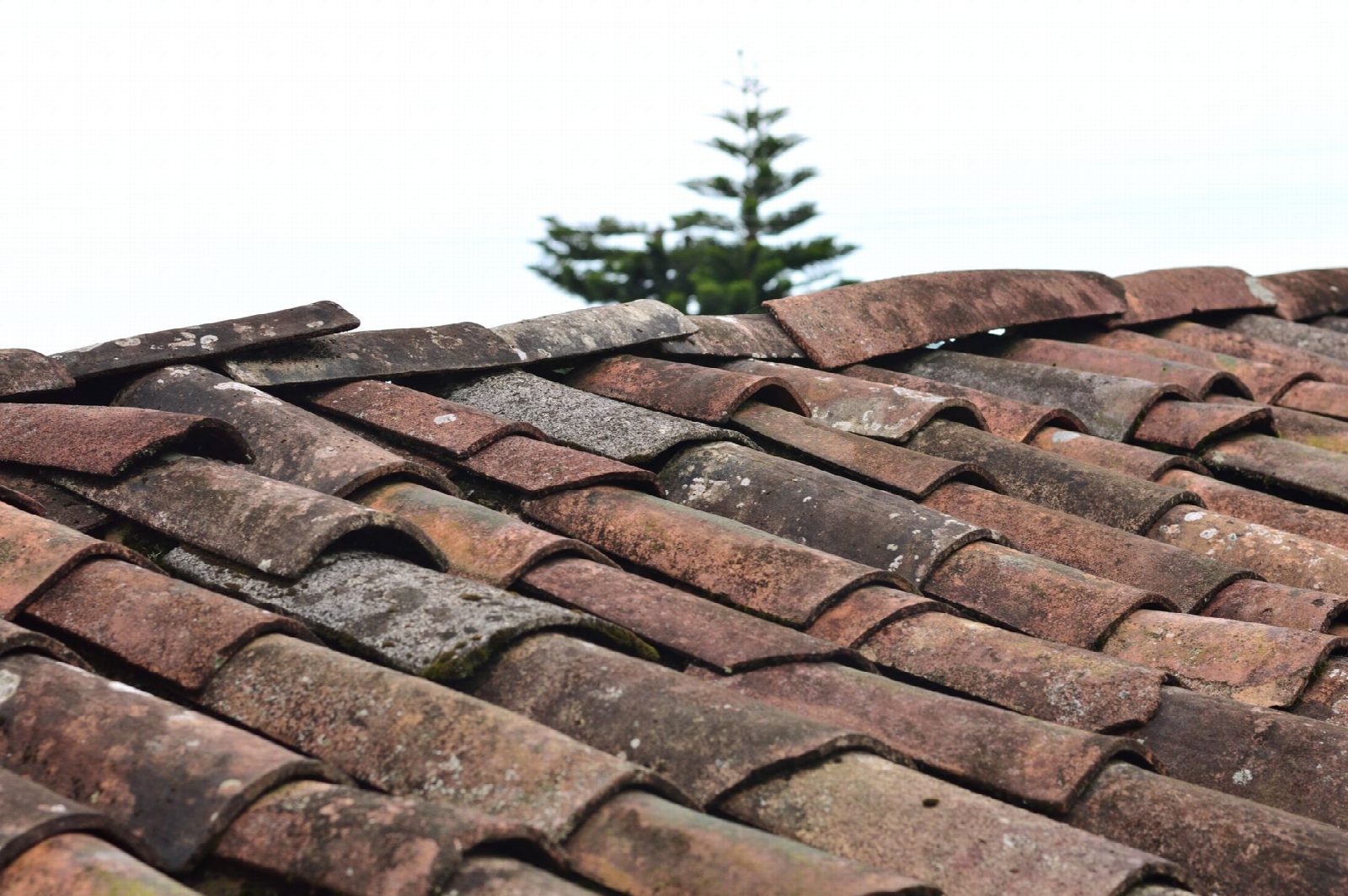
Concrete interlocking tiles are common on newer Norwich housing and they're generally the cheapest to match and replace. Clay pantiles, which you'll see on a lot of older Norfolk properties, cost more and can be harder to source in a matching colour and weathering. Natural slate costs more again.
If your roof covering is no longer made, we may need to source reclaimed materials, and that takes time and costs more than pulling something off the shelf. Sometimes we can rob tiles from a less visible elevation and use new ones there instead, which keeps the front of the house looking right.
The pitch of the roof
A steep roof is slower and more awkward to work on than a shallow one. It needs more care, more equipment and more time, and that shows up in the price. Very shallow pitches have their own issues, because water sits rather than runs, so the detailing around any repair has to be right.
What we find underneath
This is the one we can't always price up front. Lift a few tiles and the battens and felt underneath might be sound, or they might be rotten. If water's been getting in for a while, the timber can be soft and the felt perished.
We'll always tell you what we've found before we carry on, so there's no surprise on the bill. But it's worth knowing that a repair booked as a tile replacement can turn into a bit of recovering if the structure beneath has gone. Leaving a small leak for a season or two is usually what turns a cheap job into an expensive one.
Chimneys, flashings and other details
Flat runs of tile are the easy part of any roof. The costs sit in the detail work: lead flashing where the roof meets a chimney or wall, valleys where two roof slopes join, verges at the gable ends, and around any rooflights or vents.
Lead work takes longer and the material itself isn't cheap. If an old chimney has mortar flaunching that's crumbling or lead that's split, the fix involves more than slotting a tile back in.
Weather and timing
We can't work safely on a roof in high wind, and wet weather slows everything down. In an emergency we can usually get a temporary cover on to stop water coming in, then come back and do the permanent repair properly when conditions allow. A temporary fix and a return visit does add to the overall cost, but it beats letting water run into your ceilings for a fortnight.
Why we'd rather look before quoting
We can give you a rough steer over the phone if you describe what's happening, but we won't give a firm figure for a roof we haven't seen. The difference between a slipped tile and rotten battens is the difference between a short visit and a day's work, and you deserve a number that holds up.
When we come out, we'll tell you what's wrong, what's causing it and what the repair involves. If something can safely wait, we'll say so. If it can't, we'll explain why.
Talk to DH Roofing
If you've got a leak, a slipped tile or a patch of roof you're not happy with, give DH Roofing a call on 07464932323 and we'll come and take a look at your roof in Norwich.