
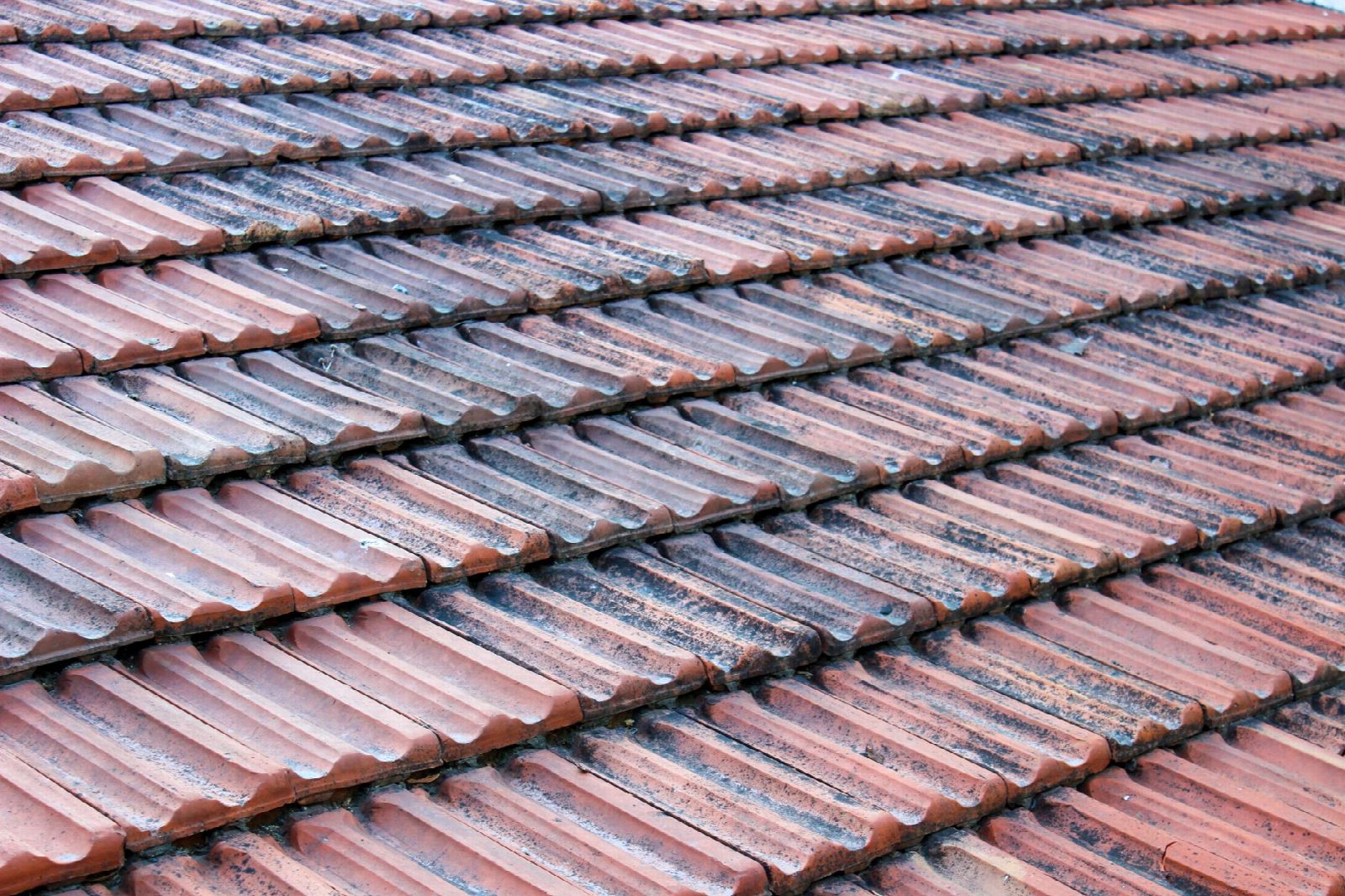
DH Roofing is a roofing company in Norwich, and one of the questions we get asked most is how pitched roofs work. People assume a roof is waterproof, like a sheet of plastic. It isn't. A pitched roof is a layered system that moves water downhill fast enough that it never gets a chance to soak in.
Once you understand that, a lot of roof problems start to make sense.
How Pitched Roofs Work: Gravity Does Most of the Job
A pitched roof is sloped. Water lands on it and runs down. That's the whole principle. Every part of the roof is there to help water keep moving, or to catch the small amount that gets past the first layer.
Tiles and slates are not sealed to each other. They overlap. Each tile covers the top of the one below it, and the row above covers the gap between the two below. Water runs from tile to tile, over the laps, and into the gutter. Wind can push a little water sideways and upwards under the laps, which is why the overlap has to be generous enough for the pitch of the roof. Shallower roofs need bigger overlaps because water moves more slowly across them.
This is also why a single slipped tile matters more than it looks. It isn't one small hole. It breaks the path water was following, and sends it somewhere the roof wasn't designed for.
The second line of defence
Under the tiles there's a membrane, often called roofing felt or breather membrane, laid over the rafters and draped slightly between them. Any water that blows under the tiles lands on this and runs down to the gutter.
Older roofs in Norwich sometimes have bitumen felt that has gone brittle, or no membrane at all if the roof is very old. When the felt tears, water that would have been carried away harmlessly drips onto the rafters or the ceiling below. You often see this as a stain that appears only after driving rain from one particular direction.
Battens and ventilation
Tiles are hung on horizontal timber battens nailed across the rafters. The battens hold the tiles at the right spacing so the laps work. They also create a small air gap between the tiles and the membrane, which lets moisture dry out rather than sit against the timber.
Air needs to move through the roof space too. Warm, damp air rises from the house into the loft. If it can't escape at the eaves and the ridge, it condenses on the cold underside of the roof and drips. We've been called out to plenty of "leaks" that turned out to be condensation, with no rain involved at all.
The Weak Points Are the Joins
A plain run of tiles rarely fails. Problems start where the roof changes direction or meets something else.
The ridge is the line along the top. Ridge tiles cap the join between the two slopes. On older roofs they're bedded in mortar, and mortar cracks and washes out over the years. Loose ridge tiles are both a leak risk and a safety risk in high winds.
Valleys are the internal angles where two slopes meet. All the water from both slopes funnels through here, so valleys carry far more water than anywhere else on the roof. A blocked or corroded valley backs water up under the tiles very quickly.
Abutments are where the roof meets a wall, like a chimney stack or the side of a neighbouring house. These need flashing, usually lead, tucked into the brickwork and dressed over the tiles. Flashing is one of the most common sources of leaks we find, especially around chimneys.
Verges and eaves are the edges. At the eaves, tiles need to overhang into the gutter properly. If they're short, water runs behind the gutter and down the wall. At the verge, the gable end, mortar or dry verge units stop wind lifting the edge tiles.
Gutters count as part of the roof
The roof only works if the water has somewhere to go. Blocked gutters hold water against the fascia and the bottom row of tiles. That's where rot starts. Clearing gutters is the cheapest roof maintenance there is, and it prevents a surprising amount of damage.
What This Means for Spotting Problems Early
Because a pitched roof is a system, the sign of a problem is often some distance from the cause. Water lands on a membrane, runs along a rafter, and drips somewhere else entirely. A damp patch on a bedroom ceiling might come from a cracked ridge tile three metres away.
Things worth checking from the ground once or twice a year:
- Tiles that look out of line, lifted, or missing
- Bits of tile or mortar in the gutter or on the ground
- Gaps or dark lines along the ridge
- Moss building up heavily, especially in valleys
- Plant growth in the gutters
- Staining on the wall below a chimney
Inside, have a look in the loft on a bright day. Daylight showing through isn't always a problem, but damp timber, water marks on rafters, or sagging membrane are all worth a closer look.
Most roof repairs are small if they're caught early. The expensive jobs are the ones where water has been getting in quietly for a couple of years and the rafters have gone soft.
If something doesn't look right on your roof, or you've got a stain on a ceiling and you're not sure where it's coming from, give DH Roofing a call on 07464932323 and we'll take a look.